

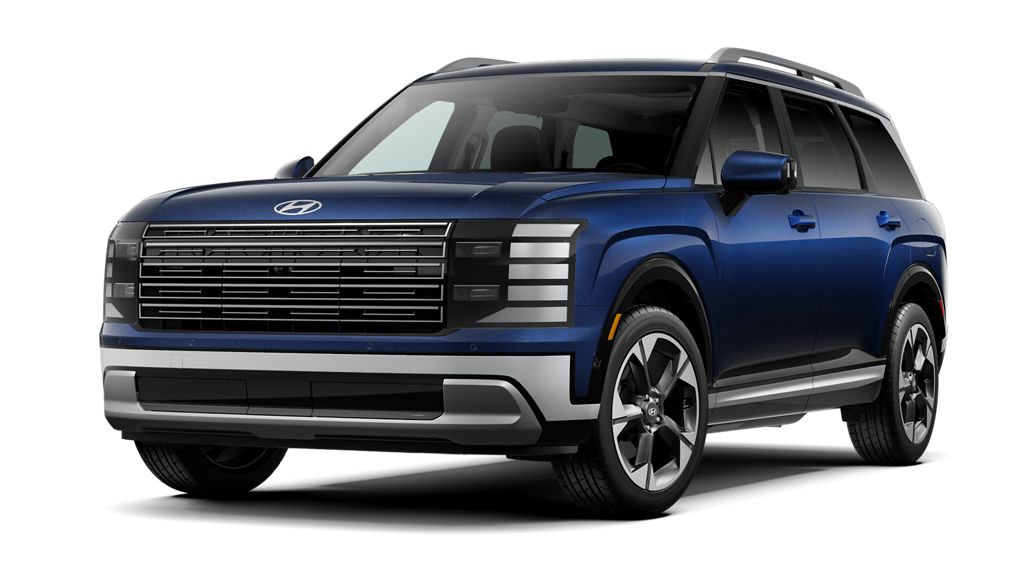
Taking care of a midsize family SUV requires a mix of steady habits and local knowledge. Here at Advantage Hyundai in Hicksville, we see how Long Island driving impacts your vehicle over the seasons. This guide will walk you through the practical steps to keep your Hyundai Palisade running like new.
- 1. Prioritize Regular Engine Oil and Filter Changes
- 2. Rotate Your Tires and Check Their Pressure
- 3. Keep Critical Fluids Fresh and Clean
- 4. Inspect Your Brakes Regularly
- 5. Clean Your Safety Cameras and Radar Sensors
- 6. Replace Your Cabin and Engine Air Filters
- 7. Test and Maintain Your Battery
- 8. Customize Your Drive Modes for System Longevity
- Key takeaways
1. Prioritize Regular Engine Oil and Filter Changes
Your Palisade relies on clean engine oil to keep its moving parts lubricated and running smoothly under all kinds of conditions. Frequent stop-and-go traffic around Hicksville puts extra stress on your engine, which breaks down oil much faster than steady highway cruising does. Keeping up with regular changes prevents sludge from building up inside the engine blocks and oil passages, ensuring long-term durability.
We recommend changing your oil and filter every 7,500 miles under normal conditions, but you should shorten that interval if you drive short distances or idle often. Transitioning to synthetic engine oil provides superior protection during hot Long Island summer days and freezing winter mornings. Our experienced technicians can help you determine the ideal maintenance interval based on your specific daily commute and driving needs.
- Check your oil level manually once a month using the under-hood dipstick.
- Look for dark or gritty oil on the cloth, which indicates it is time for a change.
- Listen for any knocking noises from the engine bay that could signal low oil levels.
2. Rotate Your Tires and Check Their Pressure
Even tire wear is essential for maintaining the smooth, quiet ride that makes this three-row SUV such a joy to drive. Front tires perform the heavy lifting of steering, turning, and braking, which means they naturally wear down faster than the rear ones. Rotating them regularly distributes this wear more evenly across all four tires, prolonging their useful life.
Aim to have your tires rotated every 7,500 miles, which conveniently aligns with your regular oil change visits. Keeping the tires properly inflated is just as critical for safety and fuel efficiency. Fluctuating temperatures on Long Island will cause your tire pressure to change, especially during seasonal transitions. Checking your pressure monthly keeps your all-wheel-drive system working in harmony and prevents premature tread wear.
- Use a digital tire gauge for the most accurate pressure readings in cold weather.
- Check the tread depth regularly using the classic penny test to ensure safe traction.
- Look for uneven wear patterns on the outer edges, which might indicate alignment issues.
3. Keep Critical Fluids Fresh and Clean
Engine oil is not the only fluid that keeps your vehicle performing at its peak. Your brakes, transmission, steering, and cooling systems all rely on specialized fluids to operate safely under pressure. Over time, these fluids absorb moisture or break down from high operating temperatures, reducing their protective qualities.
Flushing your brake fluid every few years keeps your stopping power firm and highly responsive. Coolant prevents your engine from overheating in heavy summer traffic and keeps it from freezing during winter cold snaps. Making a habit of checking under your hood occasionally helps you spot any low fluid levels early before they cause damage.
Checking the Essentials
Ensure your windshield washer fluid is formulated for freezing temperatures before winter arrives. Bringing your vehicle to a Full-service Hyundai dealership in Hicksville, Long Island. like Advantage Hyundai ensures we use genuine fluids formulated specifically for your vehicle. This location Offers new Hyundai and pre-owned inventory, plus financing, service and parts.
4. Inspect Your Brakes Regularly
Navigating local traffic requires highly responsive brakes that you can trust in any sudden stop. Your brake pads naturally wear down over time as they clamp against the metal rotors to slow your vehicle. Ignoring worn pads can lead to damaged rotors, resulting in much more expensive repairs down the road.
Listen closely for any high-pitched squealing or grinding noises when you press the brake pedal. Feeling a vibration through the steering wheel or pedal when stopping is another sign that your brakes need professional attention.
Professional Inspections
Having your brake pads and rotors inspected at every oil change is a smart preventive habit. Our service department in Hicksville can quickly measure your pad thickness and ensure your calipers are moving freely. This simple check keeps your family safe on every single journey and helps you avoid sudden, costly repairs.
5. Clean Your Safety Cameras and Radar Sensors
Modern driver assistance systems rely on a network of cameras and radar sensors to monitor the road around you. Dirt, road salt, mud, and snow can coat these sensors, blocking their line of sight and temporarily disabling key safety features. Keeping them clean is essential for your vehicle's smart systems to function properly.
Locate the camera on your windshield and the radar sensors on your front bumper and rear corners. Wiping these areas down during your weekly car wash is a simple way to maintain system accuracy.
Gentle Cleaning Techniques
Avoid using harsh chemicals or abrasive cloths that could scratch the delicate plastic covers of your sensors. Using a soft microfiber cloth and mild soapy water will safely clear away road grime without causing any damage. If your safety alerts ever turn off unexpectedly, a dirty sensor is often the first thing to check.
- Wipe the front bumper sensor gently after driving through snow or heavy rain.
- Keep the windshield clear of frost or fog near the rearview mirror housing.
- Check the rear bumper corners for dirt build-up that can block blind-spot monitors.
6. Replace Your Cabin and Engine Air Filters
Air filters act as the lungs of your vehicle, keeping dirt and debris out of both your engine and your passenger cabin. The engine air filter prevents dust from entering the combustion chamber, which helps maintain smooth power delivery and fuel efficiency. A clogged filter restricts airflow, forcing your engine to work harder than necessary.
Inside the vehicle, the cabin air filter cleans the air coming through your heating and ventilation system. This filter traps pollen, dust, and outdoor odors before they reach your passengers, ensuring a comfortable environment.
Replacing both filters annually or every 15,000 miles ensures a clean, comfortable ride. Driving through dusty areas or sitting in dense traffic may mean you need to change them sooner. Installing a fresh cabin air filter before the spring pollen season starts will keep the interior air fresh for everyone on board.
- Replace filters more frequently if you suffer from seasonal allergies.
- Inspect the engine filter for leaves or debris after autumn.
7. Test and Maintain Your Battery
A healthy battery is vital for powering the extensive electronics and convenience features in your modern SUV. Cold winter temperatures drain battery power quickly, while hot summer heat accelerates internal corrosion and fluid evaporation. Modern stop-start systems also place higher demands on your battery than older vehicle designs did.
Look for signs of a weakening battery, such as slow engine cranking or flickering interior lights when starting up. Corrosion around the battery terminals can also restrict the flow of electricity, leading to starting issues.
Having your battery tested before the winter freeze helps you avoid getting stranded on a cold morning. Our service team can quickly run a battery diagnostic test to measure its charge capacity and health. This simple test gives you peace of mind before the seasonal weather changes arrive.
- Clean corrosion from terminals with a wire brush and a mixture of baking soda and water.
- Turn off accessories like seat heaters before starting the engine to reduce initial load.
8. Customize Your Drive Modes for System Longevity
Choosing the right driving mode does more than just alter how your SUV feels on the road. It also changes how power is distributed and how the transmission shifts, directly impacting the wear on your mechanical components. Adjusting these settings to match your current driving conditions can help extend the life of your drivetrain.
Using the Eco mode during your daily highway commute reduces sudden engine revs and leads to smoother shifting patterns. Switching to Smart mode allows your vehicle to adapt automatically to your driving style, balancing performance and efficiency in real-time.
Winter Driving Smart Tips
Selecting Snow mode during winter weather alters the torque distribution to prevent wheel spin on slippery Long Island streets. Utilizing these custom drive modes reduces unnecessary strain on your transmission and drive systems, keeping your vehicle running smoothly for years to come. To make your experience even easier, our team Offers a streamlined buying process and digital shopping tools.
Hicksville, NY
- Follow the severe weather maintenance schedule for Long Island driving.
- Keep camera and radar sensors clear to ensure safety features work.
- Rotate tires every 7,500 miles to protect the drive systems.
|
FAQ
Common questionsHow often does my Palisade need a tire rotation?Tire rotations should happen every 7,500 miles or about once every six months. This aligns with your standard oil change intervals and helps prevent uneven tread wear.
Why is my safety camera warning light on?Dirt, snow, or heavy rain can temporarily block the sensors on your windshield or bumpers. Gently clearing these areas with a soft microfiber cloth usually restores the system's function.
Does my SUV need synthetic or conventional oil?Your vehicle is designed to run best on full synthetic oil. This type of oil resists breakdown under high temperatures and flows more easily during cold winter mornings on Long Island.
When should I replace my cabin air filter?Replacing the cabin air filter every 15,000 miles or once a year is standard practice. If you drive in high-traffic or high-pollen areas around Hicksville, you might want to replace it sooner.
How can I tell if my car battery is starting to fail?Slow engine cranking, dim headlights, or flickering interior displays when starting are common warning signs. Having our service team perform a diagnostic check will give you a clear reading on its remaining health.
|
|
Ready to get started?
Or call (516) 806-5766 · 440 Plainview Rd, Hicksville
|


