

Planning a road trip with your dog can turn a standard drive into an unforgettable adventure, but it requires more preparation than simply letting your pup jump into the backseat. At Advantage Hyundai in Hicksville, we want to help you and your four-legged companion travel safely across Long Island and beyond. Starting your journey with a solid plan ensures that every mile is comfortable for both you and your pet.
- 1. Prioritize Secure Restraint First
- 2. Build Up Comfort with Practice Runs
- 3. Pack a Dedicated Canine Travel Kit
- 4. Map Out Pet-Friendly Stops in Advance
- 5. Manage Climate Control and Never Leave Them Unattended
- 6. Feed Strategic Meals to Prevent Sickness
- 7. Shield Your Vehicle's Cabin
- 8. Secure Essential Health Records and ID
- Key takeaways
1. Prioritize Secure Restraint First
Securing your dog properly is the single most important decision you can make before starting the engine of your vehicle. Allowing a pet to roam freely inside the cabin poses a major distraction for the driver and puts everyone at risk during sudden stops. Investing in a crash-tested harness or a sturdy travel crate keeps your companion safe and secure throughout the journey.
If you prefer using a crate, ensure it is well-ventilated and anchored securely in the cargo area or backseat so it cannot slide around during sharp turns. Dog harnesses should connect directly to the vehicle's seatbelt system rather than just attaching to a standard collar to prevent serious neck injuries in a sudden stop. Taking these vital precautions protects your beloved companion and allows you to focus fully on navigating the busy highways of Long Island without constant worry. Keeping them restrained also ensures they do not accidentally interfere with your pedals or gear shift while you are driving.
Proper Restraint Benefits
- Keeps the driver focused on the road ahead
- Prevents your pet from jumping out of open windows
- Minimizes injury risks during sudden braking maneuvers
2. Build Up Comfort with Practice Runs
You cannot expect a dog who only visits the vet to suddenly enjoy a multi-hour highway cruise. Long before your planned departure date, start taking your dog on short, positive car rides to places they actually enjoy, like a local park or a pet-friendly store. This positive association helps them understand that car rides lead to fun experiences rather than stressful situations.
Gradually increase the duration of these training trips to build up their stamina and monitor how they handle the motion of the vehicle. Watch closely for signs of travel anxiety or car sickness, such as excessive panting, drooling, or constant whining. If you notice these symptoms, consult your veterinarian for advice on calming techniques or motion sickness solutions before you set off on a major trip. This ensures they remain healthy and happy during your big adventure.
Building Travel Confidence
- Start with five-minute trips around your neighborhood
- Always end the ride with a fun reward or activity
- Avoid feeding them right before a practice drive
3. Pack a Dedicated Canine Travel Kit
A successful journey requires more than just throwing a leash in the backseat before you drive away from your house. Assemble a comprehensive travel kit that includes your dog's regular food, portable bowls, a gallon of fresh water, and their favorite comfort toys. Having familiar items on hand helps reduce anxiety by bringing the reassuring scents of home along for the ride.
Don't forget to pack cleaning supplies like paper towels, waste bags, and pet-safe disinfectant wipes for handling inevitable messes. Keep these items easily accessible in your vehicle's cargo space so you do not have to unpack your entire luggage collection on the side of the highway. Having everything in one designated bag saves precious time during roadside stops.
Essential Packing Checklist
- Food and water bowls, preferably collapsible styles
- A sturdy leash and collar with current ID tags
- Clean blankets or towels for comfort and cleanup
- A basic pet first-aid kit containing bandages, antiseptic, and tweezers
- A copy of their medical history and current medication schedules
4. Map Out Pet-Friendly Stops in Advance
Driving straight through to your destination might save time, but your dog needs regular opportunities to stretch and relieve themselves. Plan your travel route to include brief stops every two to three hours at spots that welcome four-legged visitors. Many highway rest areas feature dedicated pet relief zones, but local parks and nature trails offer a much more engaging break for a restless dog.
Research these locations before you leave Hicksville to ensure dogs are legally permitted on the trails or grounds. Giving your dog a chance to sniff around and burn off some physical energy will make them much more likely to sleep quietly during the next driving stint. This keeps the cabin quiet and lets you focus on highway traffic without distractions. Spending an extra ten minutes on a walk makes the rest of the drive far more peaceful.
Identifying Good Stops
- Look for fenced dog parks along your route
- Choose rest stops with shaded grassy areas
- Avoid busy roadsides where traffic noise can scare pets
5. Manage Climate Control and Never Leave Them Unattended
Vehicles act like greenhouses, trapping heat incredibly quickly even on relatively cool or overcast days. You must never leave your dog alone in a parked car, as cabin temperatures can climb to dangerous levels within ten minutes. Even with the windows cracked open, the lack of air circulation can cause heatstroke or worse in a shockingly short period of time.
Keep the air conditioning running while driving, ensuring that cool air reaches the back seats or cargo area where your pet sits. Monitor the sunlight streaming through the windows, as direct sun can overheat a dog even in an air-conditioned cabin. If you must stop for food or a restroom break, try to use drive-throughs or travel with a companion who can stay with the dog. Keeping your pet cool is a matter of basic survival during long summer drives.
Sun and Heat Safety
- Use window shades to block direct midday sunlight
- Offer cool water at every single stop you make
- Know the signs of overheating, like extreme panting
6. Feed Strategic Meals to Prevent Sickness
An upset stomach can quickly ruin a road trip for everyone inside the vehicle. Avoid feeding your dog a large meal immediately before hitting the road, as the motion of the car can trigger nausea. Instead, offer a light meal several hours before your scheduled departure time to give their stomach plenty of time to settle.
You can feed them their main meal once you reach your destination or stop for the night at a hotel. Keep fresh water available during stops, but avoid letting them gulp massive quantities at once, which can also lead to digestive discomfort. This simple adjustment to their feeding schedule goes a long way in ensuring a clean and pleasant journey for everyone. It prevents messy cleanups on the side of the road.
Safe Feeding Schedule
- Feed a light breakfast three hours before departing
- Offer small water sips during your brief stops
- Delay the main dinner until you stop for the night
7. Shield Your Vehicle's Cabin
Dogs bring joy to a road trip, but they also bring mud, loose hair, and sharp claws that can damage your seats. Protect your vehicle's interior by using durable seat covers or a heavy-duty cargo liner designed specifically for pets. These protective accessories prevent scratches on leather seats and keep dirt from embedding deeply into carpet fibers.
If your dog travels in a crate, place a non-slip rubber mat underneath it to protect the vehicle floor and keep the crate from sliding. Keeping a few old towels near the door allows you to wipe muddy paws immediately after a rest stop walk. Taking these steps preserves your vehicle's condition and makes the post-trip cleanup much easier. You will spend less time vacuuming and more time enjoying your destination.
Interior Protection Essentials
- Waterproof hammock-style rear seat covers
- Heavy-duty rubber floor mats for easy washing
- Microfiber towels for quick paw-cleaning sessions
8. Secure Essential Health Records and ID
You should always be prepared for unexpected health issues or emergencies when traveling away from home with your pet. Carry a physical folder containing your dog's up-to-date vaccination records and proof of rabies immunization. Many campgrounds, hotels, and boarding facilities require these documents before allowing your pet onto their premises.
Double-check that your dog's collar tags have your current mobile phone number, not just your home landline. Ensure their microchip information is registered and updated with your current contact details. Having these safety nets in place gives you peace of mind as you explore new destinations together. It saves you from stressful situations if they happen to wander off in an unfamiliar area.
Crucial Health Documents
- Copy of rabies certificate and vaccination history
- Contact information for your primary veterinarian
- List of 24-hour emergency vets along your route
Hicksville, NY
- Always secure your dog with a crash-tested harness or crate to ensure their safety and prevent driver distraction.
- Pack a dedicated pet travel kit containing their regular food, fresh water, medication, and up-to-date vaccination records.
- Plan your route around pet-friendly rest stops and never leave your dog unattended in a parked vehicle.
|
FAQ
Common questionsHow often should I stop for my dog on a road trip?You should plan to stop every two to three hours to allow your dog to stretch, relieve themselves, and drink water. Keeping stops regular helps prevent stiffness and reduces travel anxiety.
What are the best ways to keep my dog calm in the car?Exercising your dog thoroughly before departure is highly effective for promoting calm behavior. Bringing familiar blankets, favorite chew toys, and maintaining a cool temperature inside the vehicle also helps soothe anxious pets.
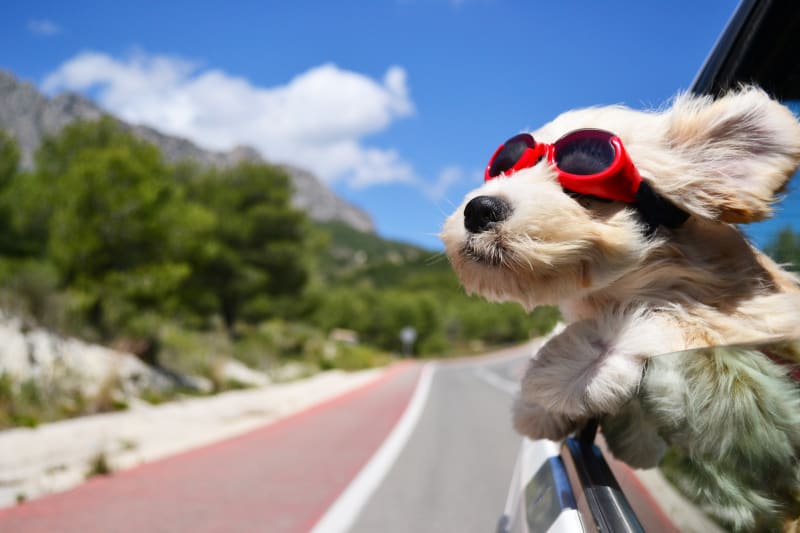
Is it safe to let my dog ride with their head out the window?No, it is highly unsafe to let your dog ride with their head out the window. Road debris, bugs, and dust can easily injure their eyes, ears, and nose, while sudden stops can put them at risk of falling out.
How should I prepare my car before traveling with my pet?It is wise to get your vehicle thoroughly inspected before a long road trip. Advantage Hyundai, a full-service Hyundai dealership in Hicksville, Long Island, offers new Hyundai and pre-owned inventory, plus financing, service and parts. While our team prepares your vehicle, service customers have Wi-Fi and comfort amenities while they wait.
What should I do if my dog starts showing signs of motion sickness?If your dog starts drooling or panting heavily, pull over safely at the next stop to let them walk in the fresh air. Adjusting your feeding schedule so they travel on a relatively empty stomach can prevent future nausea.
|
|
Ready to get started?
Or call (516) 806-5766 · 440 Plainview Rd, Hicksville
|


