

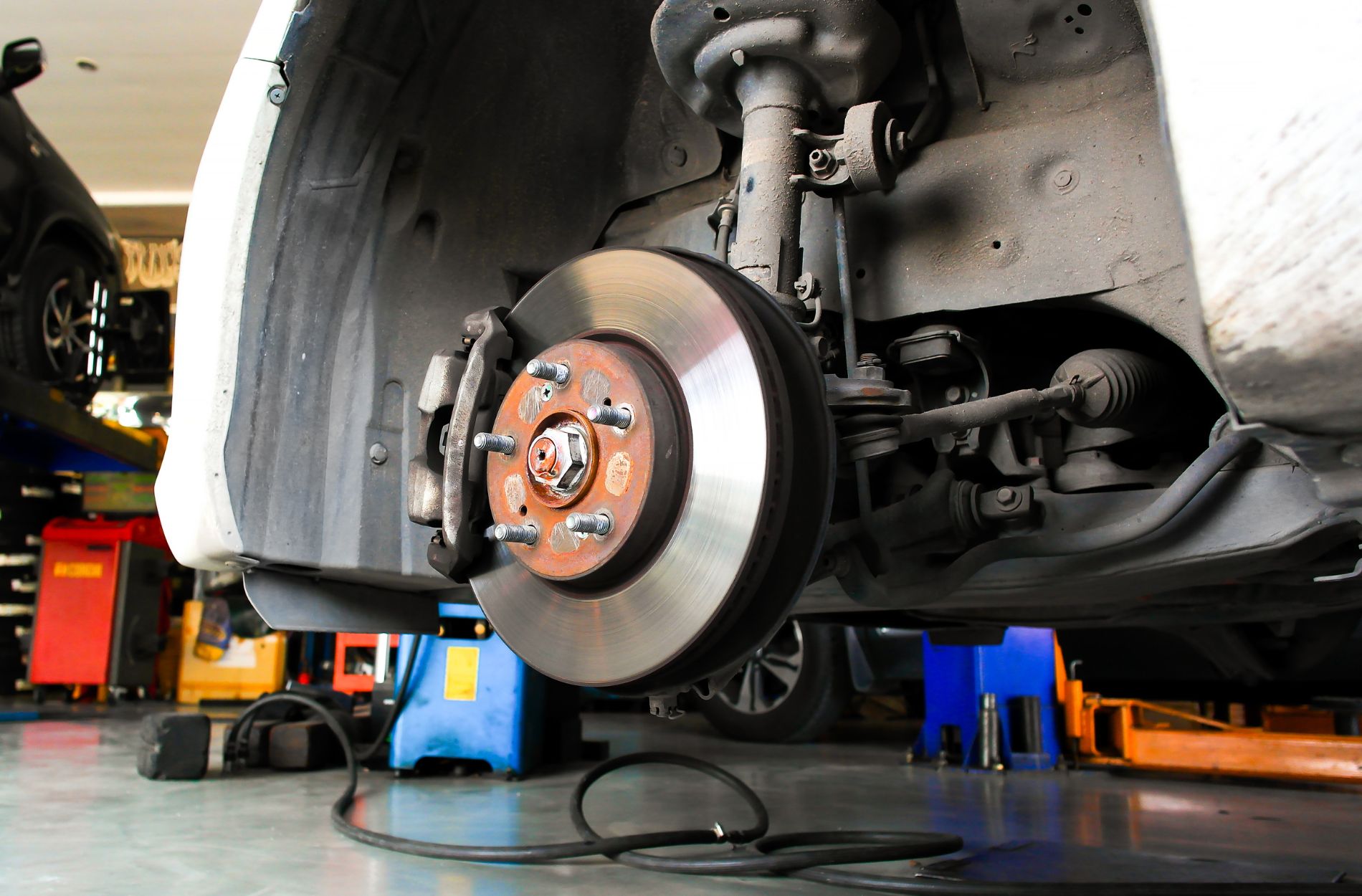
Winter hits different on Long Island, especially when you're driving every day. Icy streets, freezing mornings, and salt-covered roads don’t just affect how your car feels on the road, they take a real toll on key parts like your brakes. The colder it gets, the more pressure your braking system takes to keep everything under control.
When things are slick or temperatures drop fast, brakes have to work harder. That’s why Hyundai brake repair in Long Island becomes more important once winter rolls in. Staying ahead of the wear and tear keeps you safer, especially when stopping distance really matters on snowy roads.
What Cold Weather Does to Your Brake System
Cold air can sneak into places it doesn’t belong, and your brakes definitely feel it. The system is exposed to every bit of moisture and grime on the road, which piles up fast during winter months. It doesn’t take long for that to affect how your brakes respond.
- Moisture from rain, snow, and freezing air can build on brake parts overnight. If it turns to ice, that can temporarily reduce braking power until things warm up.
- Road salt and slush are rough on rotors. They stick around longer than you'd expect and speed up wear by causing rust to form faster.
- Cold air thickens the brake fluid and can make the system respond a little slower, especially when you first head out in the morning.
Driving through Hicksville, NY, in January feels different than in June. When brake pads and rotors are already worn, those chilly starts won’t just be uncomfortable, they can create delays in braking that are tough to ignore.
Signs Your Brakes Might Be Struggling in Winter
Winter doesn’t always give you clear warning signs, but your car might. Knowing what to listen and feel for can help you catch brake problems before they turn into something more serious. A few small clues can go a long way.
- If you hear a squeaking or grinding sound when you slow down, it’s worth paying attention. Those noises often mean the pads are too thin or there's debris getting in the way.
- A brake pedal that feels soft or spongy can signal that moisture has gotten into the brake fluid. That feeling gets worse on cold mornings, especially if there’s already some wear.
- If your car pulls to one side or takes longer than usual to stop, it's more than a small concern. Uneven wear from road salt or frozen grime can lead to bigger issues fast.
Brakes don’t just go from perfect to broken overnight. These early signs are how your vehicle tries to warn you. Catching them early means fewer surprises when it’s bitter cold or the roads are slick.
Why Winter Conditions Make Brake Inspections More Important
We all know Long Island roads get heavily treated with salt and sand during snowstorms. That’s good for traction but bad news for brake parts. All that grit can cause buildup and corrosion quicker than most drivers expect. That’s why brake inspections matter even more in colder months.
- Salt can eat away at metal brake parts if it’s not cleaned off during service. Over time, that weakens the entire system and creates hidden wear.
- Winter driving increases how often you use your brakes. Between stop-and-go traffic and slippery streets, the parts don’t get much of a break. Inspections will catch problems before they affect your safety.
- Regular checkups can spot things like rust, cracked pads, or worn-out calipers from earlier seasons. Fixing them before deep winter makes driving smoother and cuts risk.
Every winter in Nassau County, NY, brings stretches of freezing rain and heavy snow. Just one missed inspection during these months can lead to brake trouble you didn’t see coming.
When to Schedule Brake Repair and What to Expect
The best time to think about your brakes is before you find out they’re not working right. We usually recommend checking them in late fall or early winter while the weather’s still manageable. That way you’re not scrambling once there's snow on the ground or the temperatures really drop.
- Look for appointments before the coldest parts of January and February hit. If you've already noticed signs of wear, sooner is better.
- A typical brake check includes measuring how thick your pads still are, checking fluid clarity, and looking for signs of any corrosion or leaking near the calipers or lines.
- Technicians who’ve worked with Hyundai models before will know what signs to look for across different vehicles, especially when it comes to model-specific brake systems.
Staying ahead of brake wear gives you more control and keeps your winter driving routine on track. Once ice and slush are part of daily life, freshly inspected brakes make all the difference between stopping smoothly or struggling to react.
Advantage Hyundai’s service center in Hicksville, NY, features factory-trained technicians who use genuine Hyundai brake parts for every repair and inspection. Customers enjoy amenities like comfortable waiting areas and complimentary spa services during their visit, making brake maintenance more convenient.
Keep Your Hyundai Confident Through the Cold
Winter driving on Long Island comes with its own set of stress points, and your brakes carry a lot of that weight. From frosty mornings to sudden stops on slick roads, a well-maintained brake system helps your Hyundai stay steady through it all.
By watching for early signs, staying on a regular checkup schedule, and knowing how winter affects your brakes, you give yourself the best chance at safe and calm driving. Cold weather puts plenty of strain on vehicles, but with the right attention now, you avoid larger repairs and keep your car ready for what’s ahead.
When your vehicle feels off during those cold Hicksville, NY, mornings, staying ahead of potential issues is key. Whether you're noticing noisy brakes or a soft pedal, having us inspect your car early can keep your stops safer all winter. Staying on top of Hyundai brake repair in Long Island helps protect you when it matters most. At Advantage Hyundai, we’re ready to help you drive with confidence no matter the weather, so give us a call and let’s make sure your brakes are ready for the season.


