

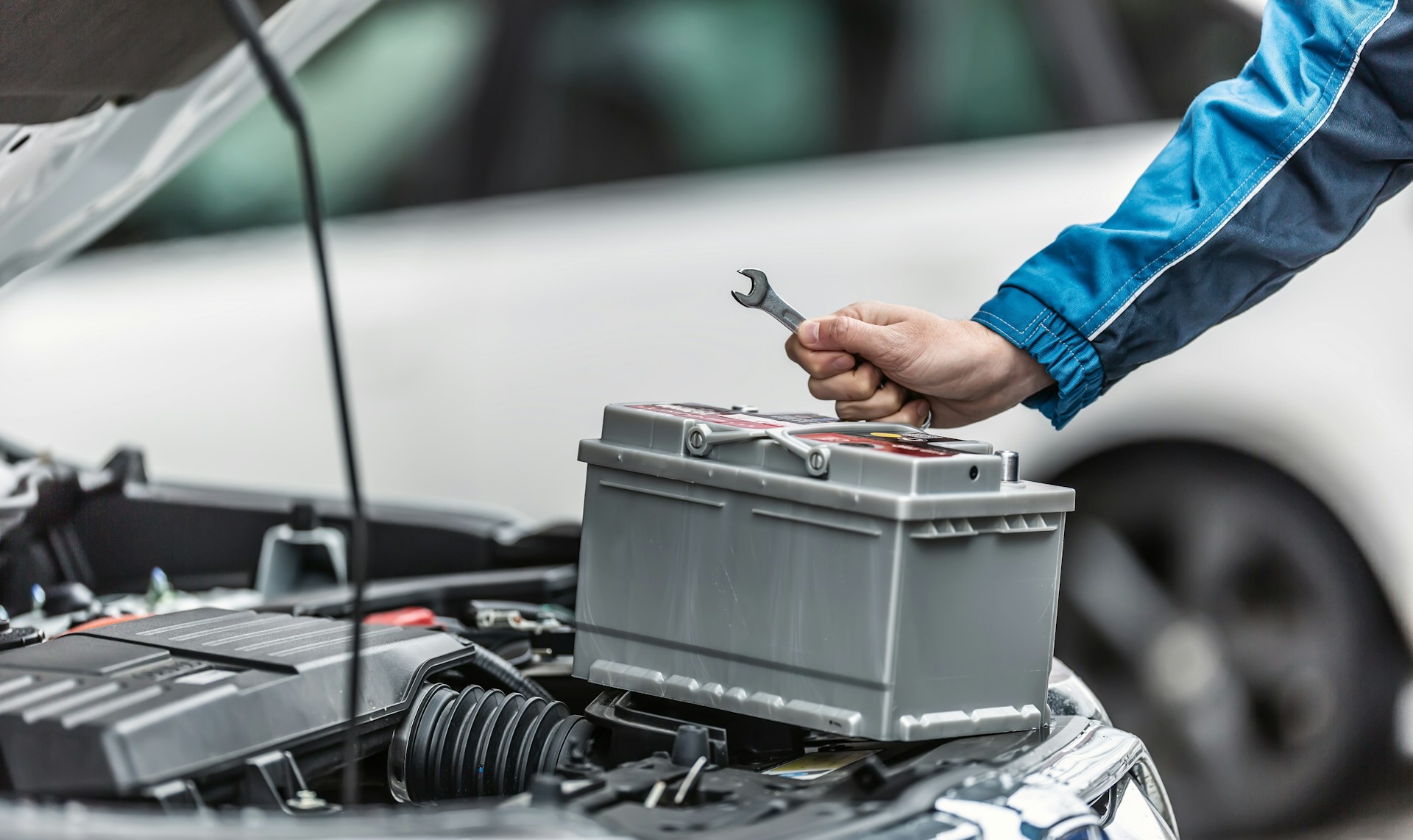
Cold can be rough on cars, and batteries often feel it first. Here on Long Island, winter weather doesn’t just mean digging your car out after snow. It also means short daylight hours, freezing starts, and more stop-and-go driving through slushy roads. All of that puts extra pressure on your Hyundai’s battery. If your car is slow to start or doesn’t turn over at all, the cold might be making a weak battery worse.
Waiting until it’s totally dead is a gamble. A little planning now can prevent bigger hassles later. That’s why we suggest staying ahead of battery problems during cold weather. We walk through what to watch for, what to expect from winter driving, and how to handle Hyundai battery replacement on Long Island before spring rolls in.
Why Cold Weather Hurts Your Car Battery
Freezing air slows everything down, including how your battery works. Cold weather makes the chemical reactions in the battery move slower, which means less power is available when you try to start the engine. A strong battery might still get you going. A weaker one might not make it through the week.
Here’s what makes battery life even harder during cold months:
- Shorter trips often don’t give the alternator enough time to fully recharge the battery. A quick run to the store and back isn’t always enough to fill it back up.
- Older batteries can struggle in cold air, especially if they’re already starting to fade. Winter just makes that decline show up faster.
- Headlights, seat warmers, defrosters, and wipers tend to run nonstop this time of year, which pulls extra energy from the battery every time you drive.
Even a fairly new battery can run into trouble if it's not fully charged or has been through extreme temperature swings. That’s why it’s a good idea to keep an eye on how your car is handling daily starts and whether it seems more sluggish than usual.
Spotting the Signs of Battery Trouble
When a battery starts to go, it usually shows signs before it quits altogether. The key is to catch those signals early. If you wait until it won’t start, getting it replaced suddenly becomes urgent and often inconvenient.
Some common signs to watch for:
- Your engine takes longer to start or cranks slowly
- Lights on the dash flicker or fade when you start the car
- The headlights seem dimmer, especially when you’re idling
- You’ve had to jump-start your car more than once this season
- It struggles most after the car has been sitting overnight in the cold
If your Hyundai shows a few of these signs, the battery could be on the way out. In cold months, it’s better to have it checked before it leaves you stranded in a parking lot or driveway.
When to Replace vs. When to Recharge
Not all battery issues mean it’s time to replace it. Sometimes, after a few days of short trips or a long period of sitting, the battery just needs a good charge. Other times, those signs point to a battery that’s too far gone. So how do you know which it is?
Jump-starting might buy some time, but it doesn’t tell the full story. If you’re repeatedly needing a boost, that’s typically a sign that something more serious is going on. A healthy battery should hold a charge on its own without outside help.
When we test car batteries during a service visit, we check a few key things:
- The overall state of charge using a meter
- The battery’s ability to start the engine
- Whether the alternator is fully charging the battery
If those numbers come back low across the board, it’s usually better to replace than risk another no-start. Having it tested by someone familiar with Hyundai systems helps avoid guesswork and confirms what your next step should be.
Getting the Right Battery for Your Hyundai
Not every battery fits every vehicle the same way. That might sound obvious, but it’s easy to think one size fits all, especially if it’s priced right or looks similar. But batteries vary by group size, voltage, and even cold-cranking amps, which affect how well they handle a New York February morning.
When choosing a replacement, we always look at:
- Battery size and layout so it fits securely in your engine
- The required power output for your Hyundai model
- How well that battery handles cold starts in our area
Using a certified part helps make sure the battery matches factory standards and holds up through both cold and hot months without issues. That’s something off-the-shelf options don’t always guarantee. We’ve seen batteries that fit physically but don’t fully support the car’s electronics. That can shorten its lifespan or create odd electrical problems down the line.
For Hyundai battery replacement on Long Island, we recommend sticking with parts that are tested for this climate. Our winters can dip well below freezing, and not every replacement battery is built to handle that kind of stress.
Advantage Hyundai’s certified technicians use battery parts that match each Hyundai model and provide professional installation at our Hicksville service center, ensuring your vehicle gets the right start every time.
Making Winter Battery Service Easy on Long Island
By late February, many drivers start planning spring trips or weekend getaways. Before we get there, it helps to take care of any weak links in your car, like the battery. Winter can be especially hard on older systems, so getting a checkup during this window can prevent unexpected surprises.
When you visit during cold months, here’s how to get ready:
- Write down any signs you've noticed before the appointment
- Plan to arrive earlier in the day when service centers are less busy
- Clear snow or salt buildup from under the hood if you can do so safely
It’s usually quicker to schedule visits during mid-morning hours earlier in the week. That gives you better availability and a smoother experience overall. If your battery does need a change, making time for that now is better than dealing with it mid-commute in March storms.
Some replacement jobs might seem quick, but cold air and tight engine spaces can make them trickier than expected. Cold plastic clips may snap if not handled gently. Connectors might be corroded or stuck. That's why we lean on experienced technicians when battery service is needed, it's quicker, safer, and less stressful than trying to sort it alone.
Keep Starting Strong Through the Cold
Winter driving can be tough, but battery problems don’t have to catch you off guard. Paying attention to small changes now, dim lights, slow starts, needing more jump-starts than usual, can help you act before it becomes a bigger problem. February is a smart time to check on the system and handle repairs before spring adds more errands and miles to your week.
Getting ahead of Hyundai battery replacement on Long Island makes everything easier. It keeps your car ready each morning, even when the temperature dips into the twenties. A quick visit now can save you from dealing with extra stress later, especially when a simple replacement can keep your car starting strong no matter how cold it gets.
When your Hyundai’s battery starts showing signs of wear during the colder months, staying proactive can keep your mornings on track. We recommend replacing worn batteries with parts designed for cold starts and local conditions, so you’re never left stranded. To find out more about Hyundai battery replacement on Long Island, contact Advantage Hyundai today.


