


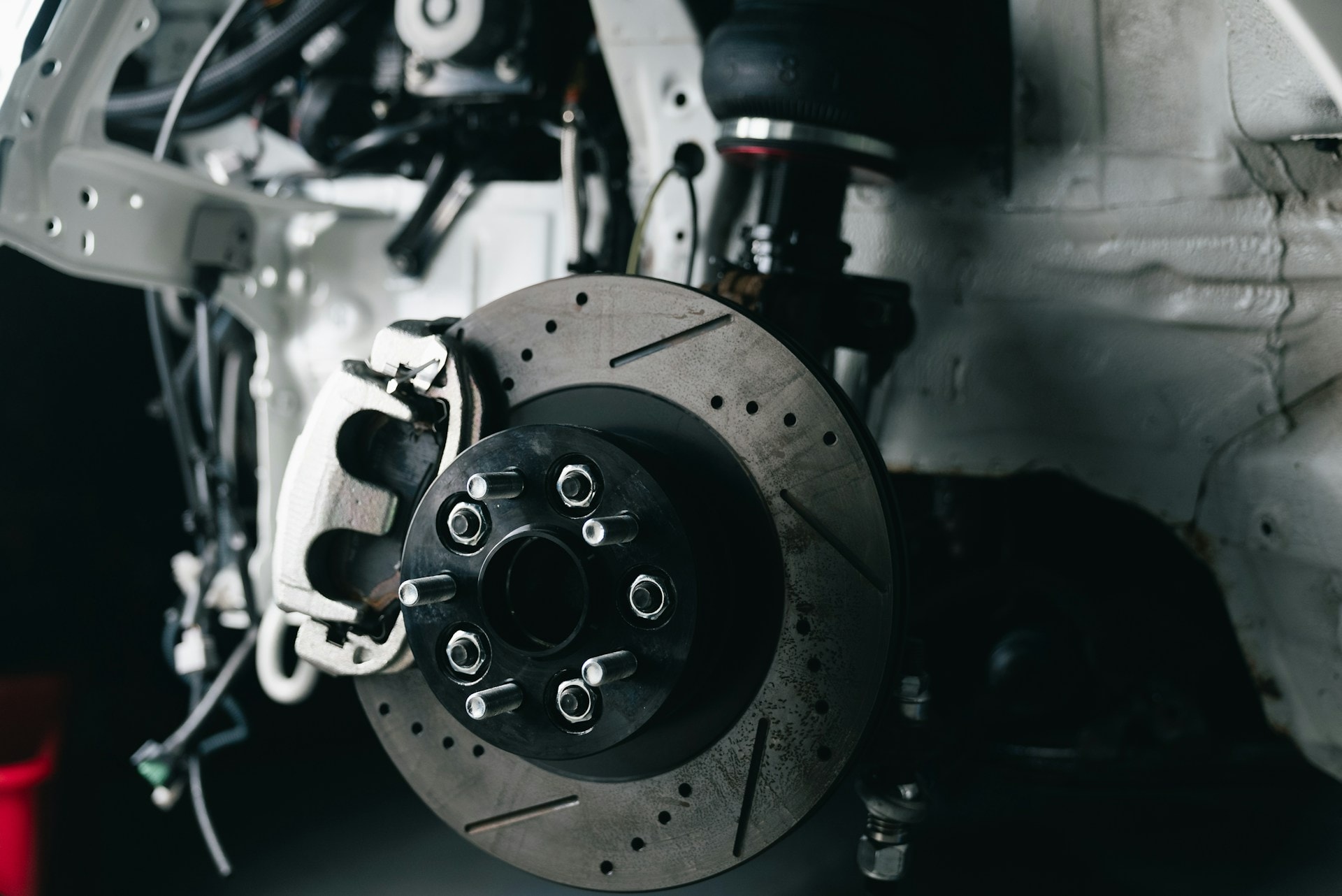
How Brake Problems Change the Way Your Car Feels
Brake trouble rarely starts with a dramatic failure. Most of the time, your Hyundai quietly starts to feel different when you slow down or stop. The pedal may feel off, the steering wheel might shake a little, or the whole car may react in a way that makes you think something is not right. Those vague, hard-to-explain changes can still point to serious safety issues.
In this article, we will walk through how healthy brakes should feel, and what it means when the feel, sound, or even smell of your car changes. If you drive on Long Island or around Nassau County, paying attention to these warning signs can help you catch problems and make Hyundai brake repair long island easier and more affordable.
How Healthy Brakes Should Feel Every Time You Drive
To recognize a problem, it helps to know what normal feels like. On a healthy Hyundai, the brake pedal should feel firm and predictable. When you press the pedal, there should be steady resistance, not a sudden drop, and the car should slow down in a smooth, controlled way that matches how hard you press.
You should not feel any pulsing, wobbling, or shaking in the pedal under normal braking. The pedal should not slowly sink toward the floor while you sit at a light. Each time you stop, the response should be consistent, whether you are braking in traffic on the Long Island Expressway or pulling into a parking space.
In the steering wheel and the rest of the vehicle, braking should feel calm and balanced. The car should not pull left or right, and the wheel should not shimmy in your hands as you slow down. The body of the vehicle should settle evenly, not throw its weight sharply onto the front end.
Sound and smell also matter. Healthy brakes are mostly quiet, with maybe a faint whoosh of friction. You should not hear grinding, sharp squealing, or harsh metallic scraping, and there should not be a strong burning odor after normal driving. Once you get used to this normal baseline, even small changes become easier to notice early.
Subtle Pedal Changes That Signal Brake Trouble
Many brake problems show up first in the way the pedal feels under your foot. A soft or spongy pedal is one of the most common early signs. If you press the brake and it feels like you are stepping into a cushion instead of something solid, that can point to air in the brake lines, moisture that has gotten into the brake fluid, or worn components in the hydraulic system. All of these can increase stopping distance, which matters in tight Long Island traffic.
Another red flag is a pedal that slowly sinks while you are stopped. You might press the pedal at a red light and feel it gradually drop closer to the floor, even though you are holding the same pressure. This often points to a problem in the master cylinder or another part of the hydraulic system. That kind of issue should be checked right away, because it can affect how much braking force you actually have in an emergency.
Pulsation or vibration in the pedal when braking is also worth attention. If the pedal beats or thumps under your foot as you slow down, it may be caused by warped brake rotors, uneven brake pad deposits, or an issue in the ABS system. Even if the car still stops, that vibration is your Hyundai telling you something is not right.
Any new or uncertain pedal feel is a good reason to look into professional Hyundai brake repair long island before a small problem becomes a safety emergency.
Steering Wheel and Vehicle Feel When Brakes Are Failing
Brake issues are not limited to the pedal. They can show up in the way the steering wheel and vehicle body react when you slow down. If your car pulls to one side when you hit the brakes, even slightly, that often points to uneven brake pad wear, a sticking or frozen caliper, or an issue with brake fluid pressure reaching each wheel evenly.
You might also feel a shake or shudder in the steering wheel when braking from highway speeds. This can feel like a fast vibration that gets stronger as you brake harder. Common causes include rotor issues, such as uneven thickness or hot spots, and sometimes loose suspension components or wheel problems.
Another change to watch for is how the car sits when you stop. If the nose of the vehicle dives dramatically every time you hit the brakes, or the car seems to rock unevenly from side to side, you could be dealing with worn shocks or struts, or a brake imbalance that is putting more load on certain wheels.
Because these symptoms affect handling, many drivers assume they have an alignment problem and ignore the possibility of brake trouble. A brake-focused inspection at a Hyundai specialist can help separate alignment issues from braking issues, and often the two are connected.
Unclear Sounds and Smells That Point to Brake Issues
Not all brake problems feel obvious through the pedal or steering wheel. Sometimes your ears and nose pick up the first sign that something is changing. Light squealing at low speed, an intermittent chirp that happens only once in a while, or a rhythmic scraping that changes with wheel speed can all be confusing to track.
Some light squealing can come from wear indicators that are designed to make noise when pads are getting thin. Grinding, on the other hand, is more serious, and often means pad material is worn away and metal is contacting metal. That can damage rotors quickly.
Smell also matters. A sharp burning odor after a normal drive, especially near one wheel, can point to dragging brakes or a stuck caliper that is not releasing fully. That extra friction generates heat and can affect braking performance and component life.
What makes these signs tricky is that they often come and go. Noise might be worse right after rain, at a certain speed, or only when the brakes are hot after stop-and-go traffic. Because the symptoms are inconsistent, many drivers ignore them. It can help to:
- Note when the sound or smell happens
- Pay attention to speed and road conditions
- Notice if it seems tied to turning or straight-line braking
- Observe whether it changes with weather or temperature
Sharing details like these can help the technician diagnosing your Hyundai brake repair long island find the root cause faster.
When to Stop Guessing and Call a Brake Expert
There is a point where guessing ends and safety has to come first. Some symptoms mean your Hyundai needs professional attention right away, even if the car is still moving under its own power. These include:
- Brake or ABS warning lights on your dashboard
- Sudden, dramatic change in pedal feel from one drive to the next
- Loud grinding or scraping noises when you brake
- Strong pulling to one side that makes it hard to keep the car straight
Many drivers choose to wait and see, especially if the issue seems minor or inconsistent. They might turn up the radio to drown out a squeal, or adjust how they brake to work around a pulling sensation. The risk is that small, fixable problems can grow into larger repairs, like damaged rotors or stressed suspension parts.
For drivers across Long Island and Nassau County, keeping an eye, ear, and foot on how your Hyundai feels in daily traffic can catch these issues early. Professional brake inspections can separate brake problems from other concerns, and help restore the confident, predictable braking that makes every commute and family trip feel safer.
Restore Confident Stopping Power Today
If your brakes are squeaking, vibrating, or just not feeling right, our factory-trained technicians are ready to help. Schedule trusted Hyundai brake repair in Long Island and let Advantage Hyundai inspect, diagnose, and fix the issue using genuine parts. We will walk you through what your vehicle needs and get you back on the road with confidence. Have questions before you book? Simply contact us and we will be happy to help.
Categories:
News


