


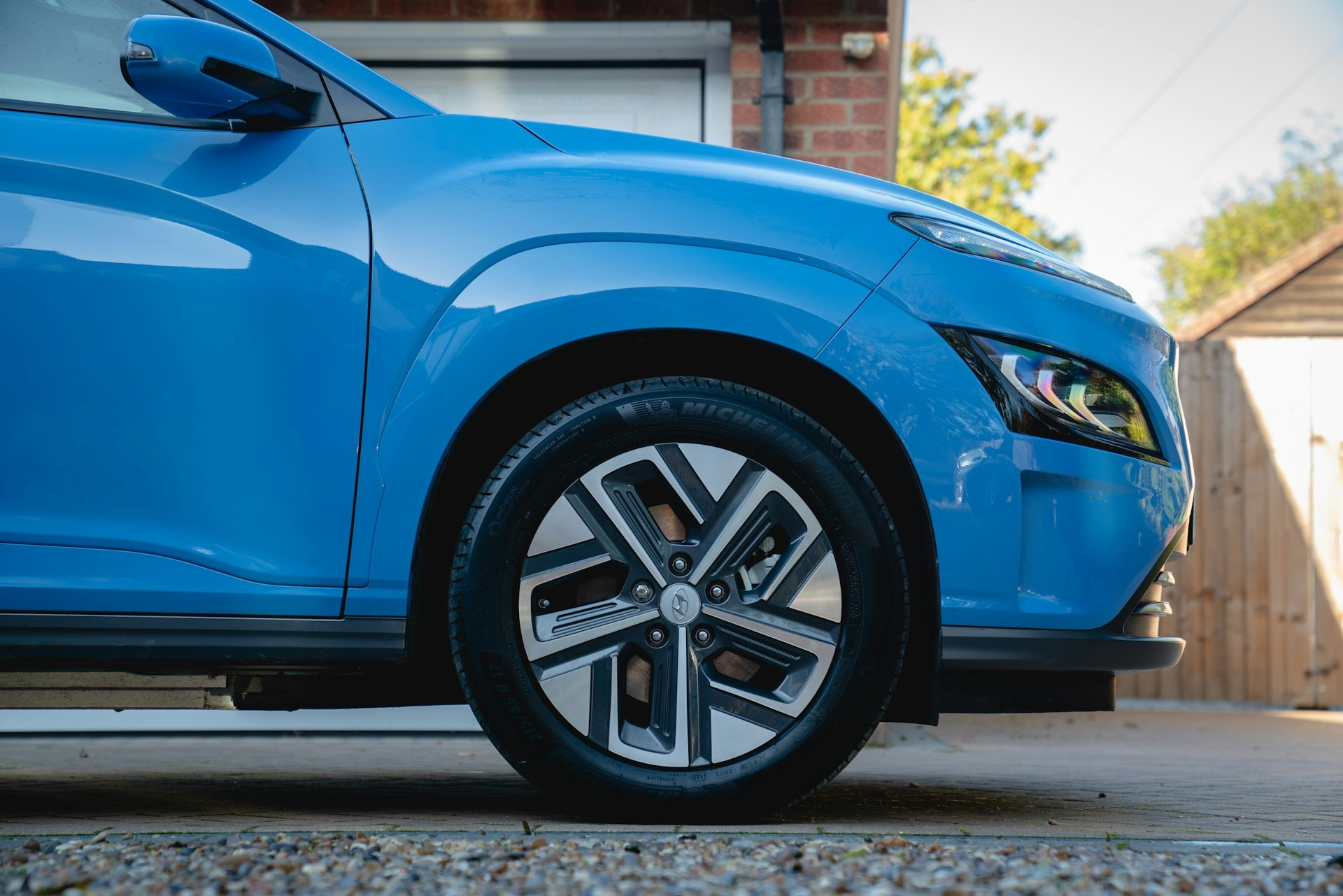
Get Your Hyundai Spring-Ready the Smart Way
Long Island winters are hard on cars. Cold mornings, salty slush, and rough roads all leave their mark, especially if you drive every day. By the time spring shows up, many Hyundai owners are ready to freshen things up, but a lot of the advice online can send you in the wrong direction.
Following spring car care myths can waste money, shorten the life of your Hyundai, or even cause problems with warranty coverage. Our local conditions do not make things easier either. Coastal air, potholes from freeze and thaw, and heavy stop-and-go traffic all add stress. That is why smart Hyundai maintenance in Hicksville, NY matters so much.
Here are some of the biggest spring myths we hear and what our team actually recommends instead.
Myth 1: A Spring Oil Change Is Always Optional
A common belief is that modern engines and synthetic oil mean you can skip a spring oil change as long as the dashboard light is not on. Many drivers think low mileage over the winter equals clean oil. That is not always the case.
Winter driving on Long Island is tough on oil. Short trips, warming up the car in the driveway, and slow traffic can let extra fuel and moisture mix with the oil. Even if you did not rack up big miles, that mix can break oil down faster than you expect.
Here is why that matters for your Hyundai in spring:
- Cold starts and short drives can leave condensation in the oil
- Stop-and-go commuting can count as heavy use for the engine
- Old or wrong grade oil can hurt long term engine health
Hyundai models are designed to follow specific oil change intervals and to run on certain oil grades and filters. Sticking with that plan, especially after winter, helps protect the engine and the powertrain warranty. Using the correct Hyundai-approved oil and filter is just as important as doing the change itself.
Instead of guessing, spring is a smart time to have:
- An oil and filter change using the correct type for your Hyundai
- A quick look at fluids, belts, and hoses to spot winter damage
That simple visit can set your engine up for smoother, cleaner running as the weather warms up.
Myth 2: You Can Ignore Tires Once Winter Is Over
Another myth is that once snow season is done, your tires are fine until next winter or the next inspection. Many drivers do not think about tires in spring at all. That can lead to surprises at the worst time.
Winter on Long Island often means deep potholes, rough patches, and hidden debris. One hard hit can bend a wheel, bruise a sidewall, or knock your alignment out. You might not notice the damage right away, but your tires will.
If you skip tire checks in spring, you might be dealing with:
- Uneven tread wear that shortens tire life
- Low or high tire pressure as temperatures swing
- Less grip on wet roads and a higher risk of hydroplaning
For safe driving in spring rain, it pays to look at:
- Tread depth, to be sure the grooves can still move water
- Tire pressure, which changes with temperature
- Sidewalls, for cuts, bubbles, or bulges
A spring tire rotation and an alignment check can help even out wear, improve fuel economy, and keep the steering feel tight and steady. When that work is done by technicians trained on Hyundai specs, your tires and suspension are set to match the way your specific model is designed to drive.
Myth 3: Spring Is Just About Washing Off Salt
Many owners think spring car care is just about getting to the car wash and blasting off the salt. A shiny exterior is nice, but it only tells part of the story. Salt and sand like to hide in the places you do not see.
Road salt can sit in:
- The undercarriage and frame areas
- Brake components and lines
- Wheel wells and suspension parts
If that buildup is not cleaned out, it can speed up rust and cause problems over time. Inside the Hyundai, wet floor mats, melted snow, and spilled drinks can leave moisture trapped under carpets. That can lead to odors, mold, and wear on fabrics and even wiring.
Smart spring cleaning looks a little deeper:
- Rinse the undercarriage and wheel wells to help wash away salt
- Clean and dry floor mats, then let the floor area air out
- Wipe door sills and check for damp spots under mats
- Replace the cabin air filter so the HVAC system can move cleaner air
Some jobs are fine to handle at home, like vacuuming, wiping surfaces, and swapping out mats. Other tasks, like checking underbody components, brake lines, and suspension parts, are better done by a professional team with a lift and the right tools. That kind of close look can spot rust, leaks, or worn parts early.
Myth 4: Air Conditioning Can Wait Until Summer
A lot of drivers do not think about the AC until the first hot spell hits Long Island. They turn the dial, warm air blows, and now they are stuck trying to get service at the same time everyone else is calling.
Waiting until it is really hot can lead to:
- Long waits for repair appointments
- Extra strain on a weak AC system
- Bigger repairs that might have been smaller if caught earlier
Testing the AC in spring is simple. Turn it on, set it to cold, and check:
- How fast the air gets cool
- How strong the airflow feels
- If there are strange smells or noises
The engine cooling system matters just as much as cabin comfort. As temperatures rise, coolant level, hoses, the radiator, and related parts all need to be in good shape. Hyundai models rely on a well-working climate system not only to cool the cabin, but also to clear fogged windows and help with visibility. When trained technicians inspect the system with Hyundai-specific tools, they can find small leaks or weak spots before they turn into a bigger problem.
Myth 5: Any Shop Can Handle Spring Hyundai Service
Some owners figure any service center can handle spring maintenance, and they choose only based on how close it is or what the sign out front says. Not all service is the same, especially when you drive a vehicle with brand specific tech.
Going to a non-Hyundai-focused shop can mean:
- Fluids that do not match what your Hyundai is designed to use
- Generic parts that may not fit or perform as well
- Missed issues with Hyundai safety tech, hybrid systems, or electronics
Choosing a Hyundai dealership for spring care has clear benefits:
- Technicians who work with Hyundai models every day
- Parts and fluids that are designed to fit Hyundai systems
- Access to the latest information and diagnostic tools for your vehicle
For Hyundai maintenance in Hicksville, NY, having a local team that understands Long Island driving helps too. They see the same salt, the same potholes, and the same traffic patterns that you face. That experience shapes the way they inspect and care for your vehicle in spring.
Make This Spring the Start of Smarter Hyundai Care
Spring is a great time to reset how you care for your Hyundai. Skipping oil changes, ignoring tires, relying on a quick wash, putting off AC checks, and choosing any random shop are myths that can cost you time and peace of mind.
A simple spring checklist can help you stay on track:
- Oil and filter service
- Tire check, rotation, and alignment review
- Undercarriage, brakes, and suspension inspection
- Cabin air filter and interior refresh
- AC and engine cooling system check
Treating spring as a regular health check for your Hyundai sets you up for easier drives through beach traffic, rainy days, and weekend trips across Long Island. With the right care and the right team behind you, your Hyundai can handle what the new season brings.
Keep Your Hyundai Running At Its Best With Expert Local Care
For trusted Hyundai maintenance in Hicksville, NY, our factory-trained technicians at Advantage Hyundai are ready to help you stay on top of every service interval. We use genuine Hyundai parts and proven service procedures so your vehicle keeps its performance, safety, and value. Schedule your next visit online today or contact us to talk with our team about what your Hyundai needs next.
Categories:
News


