

By mid-December, many Long Island drivers start noticing little things about their car that didn’t stand out before. The engine turns over a bit slower, lights seem dimmer, or maybe the car just doesn’t feel quite right during those colder morning starts. That’s usually when people begin thinking about the battery. For Hyundai drivers, having a reliable battery in the winter isn’t just about convenience, it’s about peace of mind. If you're searching for reliable info about Hyundai battery replacement in Long Island, it helps to know what causes issues, what signs to watch out for, and why going with trained help can make all the difference.
What Causes Battery Trouble in Colder Months
Cold weather adds more pressure to parts that already do a lot of work behind the scenes, and your battery is no exception. When temperatures drop, a battery’s ability to deliver power slows down. So even if your battery seemed fine in October, December might be a different story.
Here’s why winter puts strain on your battery:
- The chemical reactions inside a battery slow down when it’s cold, which means less starting power.
- Your heater, defroster, and headlights often run more in winter, drawing more energy from the battery.
- Older batteries don’t hold a charge as well, so colder mornings can push them past their limit.
Even a strong battery will struggle if it’s worn from age or overuse. That’s why this time of year often leads to more jumpstarts or slow engines. Batteries have a harder time holding their charge and keeping up with all the extra electrical demands. It’s not unusual for a battery that felt fine during the fall to suddenly seem weak as the days grow shorter and temperatures fall. Parking outside overnight or skipping regular short drives in winter can make battery problems appear faster. Batteries also age faster when they get very hot in summer, so by the time winter arrives, a worn battery could already be close to its breaking point.
Common Signs Your Hyundai Needs a Battery Check
Sometimes the signs are easy to see. Other times, they show up quietly, until the car won’t start one morning.
Watch for these signs that your battery might be reaching the end of its life:
- The engine sounds weaker or cranks more slowly than normal.
- The dashboard lights flicker or look dim after starting the car.
- You’ve needed a jumpstart in the last few weeks, even once can be a red flag when it's cold out.
Some Hyundais will show a battery warning light. That’s a clear sign something’s going on, but the symptoms above might appear before the warning light does. Paying attention now can help you avoid bigger hassles later when the temperatures drop even more. It’s good to get into the habit of noticing whether your lights seem a bit dimmer or if your radio cuts out unexpectedly as you start your car, especially in the cold months. If your accessories (like phone chargers or heated seats) seem less responsive or sluggish, it could also point to a weak battery that is struggling to supply enough voltage. Sometimes there’s a faint clicking noise instead of the car starting right up, which is a classic warning sign. While no one likes to think about being stranded, noticing these signals early means you can take care of the problem before you get stuck in a parking lot or driveway on a cold morning.
What Happens During a Professional Battery Replacement
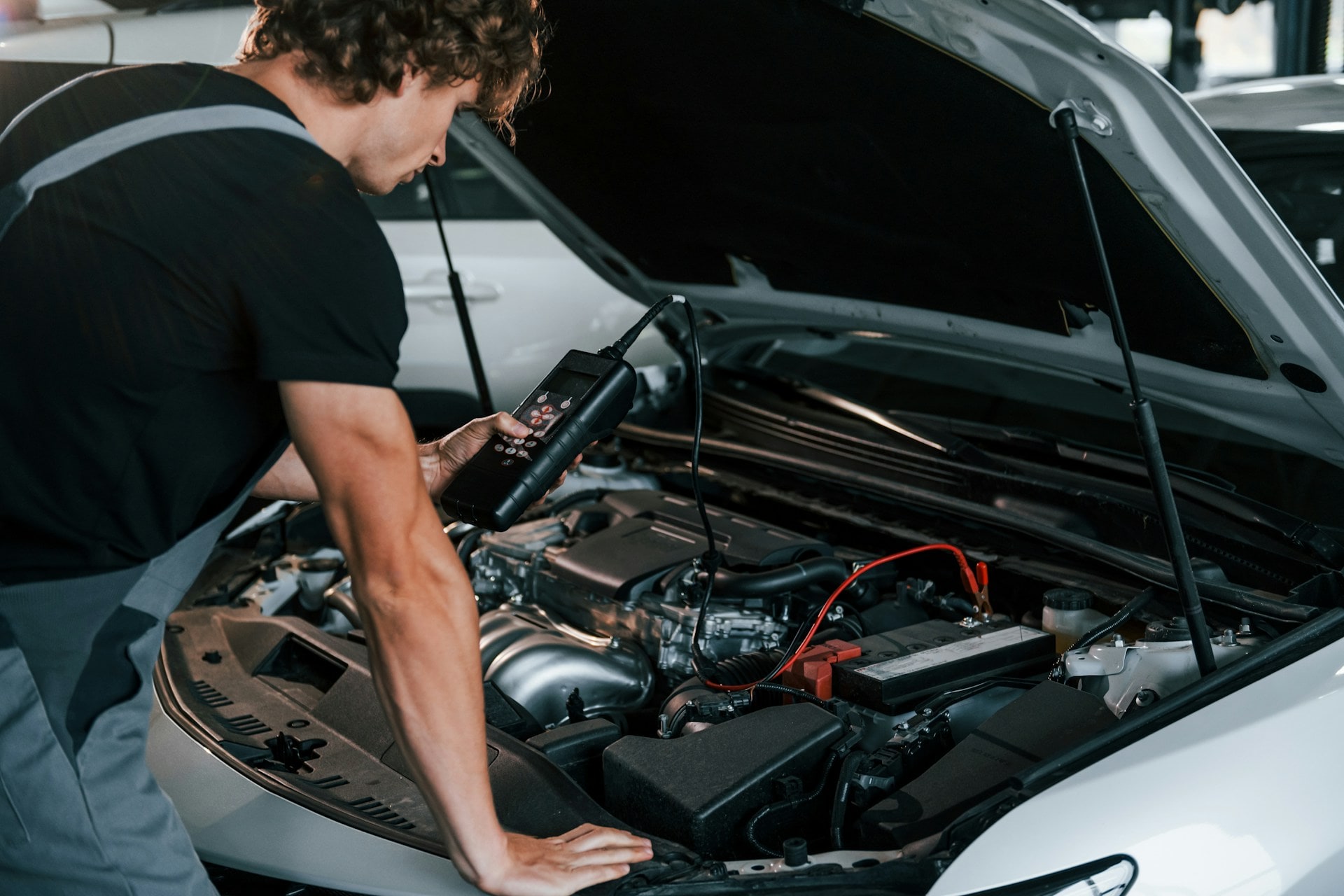
Getting a battery replaced isn’t just about unplugging the old one and snapping in a new one. Today’s vehicles rely on the battery to power more than just the engine start. It controls systems across the car, many of which need to be reset and tested properly after a change.
Here’s what tends to happen during a battery replacement:
1. The technician will run a battery health check first to see if the battery really needs to be replaced.
2. If it does, it’s replaced with one that matches your Hyundai’s specs and electrical system.
3. Once installed, systems like sensors, clocks, radios, and dash displays often need to be reconfigured or synced.
All of this helps make sure the car’s functions return to normal as soon as the new battery kicks in. For newer Hyundais, especially hybrid or electric ones, that step matters even more. A professional technician follows steps to protect your vehicle’s electrical memory, so you don’t have to deal with lost radio presets or security system glitches. After installing the battery, technicians also inspect things like your terminals and cables for corrosion, since buildup on these parts can make a battery work harder or cause future problems. This complete approach means you drive away confident everything in your Hyundai works as it should, and there aren’t small issues waiting to pop up on the next cold morning.
At Advantage Hyundai in Hicksville, NY, our factory-trained technicians use genuine Hyundai batteries and conduct multi-point inspections as part of each service visit. Our customers benefit from quick turnaround, comfortable amenities during winter service, and convenient online scheduling. The goal isn’t just to swap your battery, but to make sure your whole vehicle feels ready for whatever winter brings. If you’re waiting inside, you’ll be able to relax knowing every detail gets checked, and you won’t be left outside in the cold.
Why Local Matters: Getting Service in Long Island
One thing we’ve learned from years of winter service is that being local helps. We know what December and January look like in Hicksville, and we know what kind of weather can hit different areas across Long Island. And when it comes to keeping your car ready, locally trained support matters.
Here’s how local service makes a difference:
- Technicians nearby are used to how winter weather affects cars here, not just anywhere.
- Local shops often have faster access to the battery types your Hyundai needs, cutting down on wait times.
- It’s easier to get back on the road when you’re not dealing with scheduling and shipping delays from outside the area.
For Hyundai battery replacement in Long Island, we always recommend going with someone familiar with winter setups in this region. It can save time, reduce guesswork, and help avoid that rush that usually hits right after the New Year. Local shops build relationships with drivers, and that often means more tailored advice the moment colder weather rolls in. They’re also likely to notice regional battery problems sooner, since they’ve seen firsthand how tough winters in Long Island can be. Getting service close to home is just less stressful when you know you’ll be back on the road quickly, even during those weeks when it feels like every car needs attention at once.
Charged Up and Ready for Winter
Battery trouble might start small, but it rarely fixes itself. As winter rolls in across Long Island, keeping your Hyundai starting strong can make commutes, errands, and holiday visits a lot smoother. Paying attention to how the car feels each morning is often the first step toward catching problems early.
Having a battery that’s fresh, tested, and properly installed helps protect against cold-day surprises. The last thing anyone wants is to lose power when temperatures are below freezing and you’re already late for something. With the weather changing fast, now’s the right time to check in and make sure your battery is ready for the months ahead. Cold mornings won’t wait, and when winter settles in for good, even small jobs like grocery runs or school drop-offs can become a challenge if your battery isn’t up to the task. Getting your battery checked and replaced by professionals before heavy snow and ice really hit just gives you one less thing to worry about all season long.
Peace of mind on the road starts with a reliable battery, especially as winter approaches. We want every driver in Hicksville and across Long Island to feel confident each time they start their vehicle. For anyone considering Hyundai battery replacement in Long Island, choosing a new vehicle that’s fully prepped for cold weather can be a smart move. At Advantage Hyundai, we’re ready to help you get your car prepared for the season ahead. Call us today to learn how we can support your winter driving needs.


